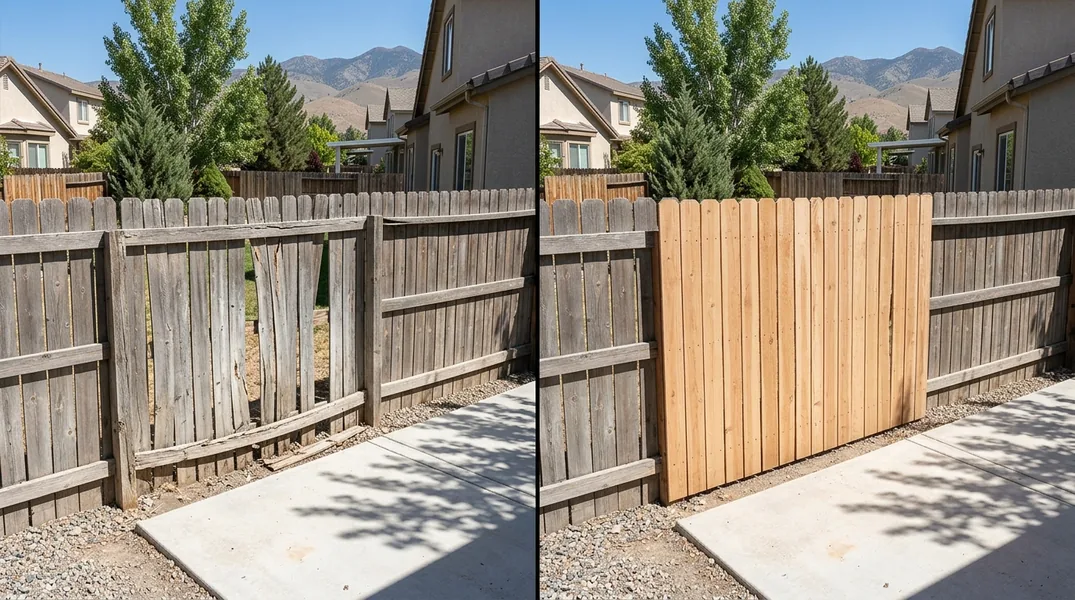
Understanding HOA Fence Restrictions in Somersett and Caughlin Ranch
If you own a home in Somersett or Caughlin Ranch, you already know that homeowners associations come with specific rules and guidelines. One of the most common areas of HOA regulation is fencing, and it's critical to understand these restrictions before you invest in any fence installation project. Both communities have established guidelines that dictate everything from fence height and materials to color and setback requirements. Ignoring these rules can result in fines, mandatory removal of your fence, or costly disputes with your HOA board.
The good news is that most HOA restrictions aren't designed to be difficult. Instead, they exist to maintain property values and community aesthetics across Reno neighborhoods. Before you call a fence contractor or start comparing materials, take time to review your HOA's architectural guidelines document. This is typically available through your HOA management company or community website. Understanding what's allowed will save you time, money, and frustration down the road.
Vinyl vs Wood Fence: What Do Somersett and Caughlin Ranch Allow?
One of the first decisions homeowners face is choosing between vinyl vs wood fence materials. Both options have loyal advocates, and each comes with distinct advantages. However, your HOA may have specific preferences or restrictions on which materials are permitted in your community. Somersett, for example, tends to favor materials that maintain a cohesive neighborhood appearance, while Caughlin Ranch has its own set of aesthetic standards. Before you fall in love with a particular style, confirm that your chosen material aligns with community guidelines.
Wood fencing offers a classic, natural appearance that many homeowners prefer for its warmth and traditional charm. It blends well with landscaping and can be stained or painted to match your home's exterior. However, wood requires regular maintenance, including sealing, staining, and repairs to prevent rot and weathering. On the other hand, Vinyl & PVC Fence Installation provides a modern alternative that requires minimal upkeep and maintains its appearance for decades. Some HOAs explicitly require vinyl in certain sections, while others are more flexible. The key is to check your specific community's architectural guidelines before making your final decision.
Best Low Maintenance Fence Materials for HOA Communities
When you're balancing HOA requirements with practical homeownership, the best low maintenance fence often becomes a priority. Life is busy, and the last thing you want is a fence that demands constant attention and upkeep. For homeowners in Reno neighborhoods like Somersett and Caughlin Ranch, low maintenance options can be especially appealing because they keep your property looking sharp year-round without weekend projects.
Vinyl fencing stands out as the leading low maintenance choice. It doesn't rot, warp, or splinter like wood, and it resists fading even under the intense Nevada sun. A simple annual rinse with a garden hose keeps it looking like new. Aluminum fencing is another excellent low maintenance option that many HOAs approve without hesitation. Aluminum & Ornamental Iron Fencing combines durability with an elegant appearance and requires virtually no maintenance beyond occasional cleaning. If your HOA permits Chain Link Fence Installation, that's also a practical low maintenance solution, though it's typically used for side or back yards rather than front-facing areas. Check your HOA documents to see which of these materials meet community standards, then choose the option that best fits your lifestyle and budget.
Vinyl vs Wood Fence Cost: Budgeting for Your HOA-Approved Fence
Cost is always a factor in fence decisions, and understanding the vinyl vs wood fence cost difference helps you budget realistically. Wood fencing is often less expensive upfront, which makes it attractive to budget-conscious homeowners. However, when you factor in ongoing maintenance costs over the life of the fence, the total cost of ownership can be significantly higher. Paint, stain, repairs, and potential replacement of rotted sections add up quickly over ten to twenty years.
Vinyl fencing typically carries a higher initial investment than wood, but the long-term savings are substantial. You won't spend money on staining, sealing, or major repairs. The fence will look the same in year ten as it did in year one. When you calculate the total cost over fifteen to twenty years, vinyl often comes out ahead. Aluminum fencing falls somewhere in the middle, offering good durability and low maintenance at a moderate price point. To get an accurate picture of what your specific project will cost, reach out to Reno Fence Company for a free estimate. We can discuss your HOA requirements, material options, and provide transparent pricing so you know exactly what to expect. Call us at (775) 993-4968 to schedule a consultation.
Best Fence Material for Somersett and Caughlin Ranch: Key Considerations
Choosing the best fence material for your specific HOA community requires balancing several factors: aesthetic preferences, maintenance tolerance, budget, and climate considerations. Both Somersett and Caughlin Ranch have distinct architectural styles, and your fence should complement your home while respecting community guidelines. Take a walk through your neighborhood and observe what materials other homeowners have chosen. This gives you a real-world sense of what works visually in your community and what the HOA board is likely to approve.
Consider the Nevada climate when evaluating materials. Our intense sun, occasional heavy winds, and dry conditions affect how different materials perform over time. Wood can fade and become brittle under UV exposure. Vinyl holds its color and flexibility better in extreme heat. Aluminum resists corrosion and maintains its finish. If you're unsure which material aligns with your HOA's preferences, contact your community management office directly. They can point you toward approved materials and may even show you examples of previously approved installations. Once you've narrowed down your options, Wood & Privacy Fence Installation specialists at Reno Fence Company can help you select the best material for your specific needs and ensure your project meets all HOA requirements.
Steps to Take Before Installing a Fence in Your HOA Community
Before you break ground on any fence project, follow these essential steps to ensure compliance with your HOA rules. First, obtain a copy of your community's architectural guidelines and review the fence section thoroughly. Look for specifications on height, materials, colors, setback distances from property lines, and any restrictions on front yard fencing. Second, contact your HOA management company or architectural review board to confirm your specific plan. Some communities require formal approval before installation begins, while others simply require notification. Submitting your plan in advance prevents costly mistakes and delays.
Third, check local city and county regulations. Reno has its own zoning and fence ordinances that may apply in addition to HOA rules. Your fence contractor should be familiar with these requirements, but it's smart to verify. Finally, mark your property lines clearly and confirm that your fence placement doesn't encroach on neighbor properties or easements. When you're ready to move forward, Reno Fence Company has extensive experience working with HOA communities throughout the area. We understand the approval process and can guide you through every step. Contact us at (775) 993-4968 or visit our website at https://reno-fence.com to discuss your project and get started on your approved fence installation.
Looking for a professional fence contractor in Reno? Reno Fence Company responds fast for all your fence needs.
Get a Free Quote