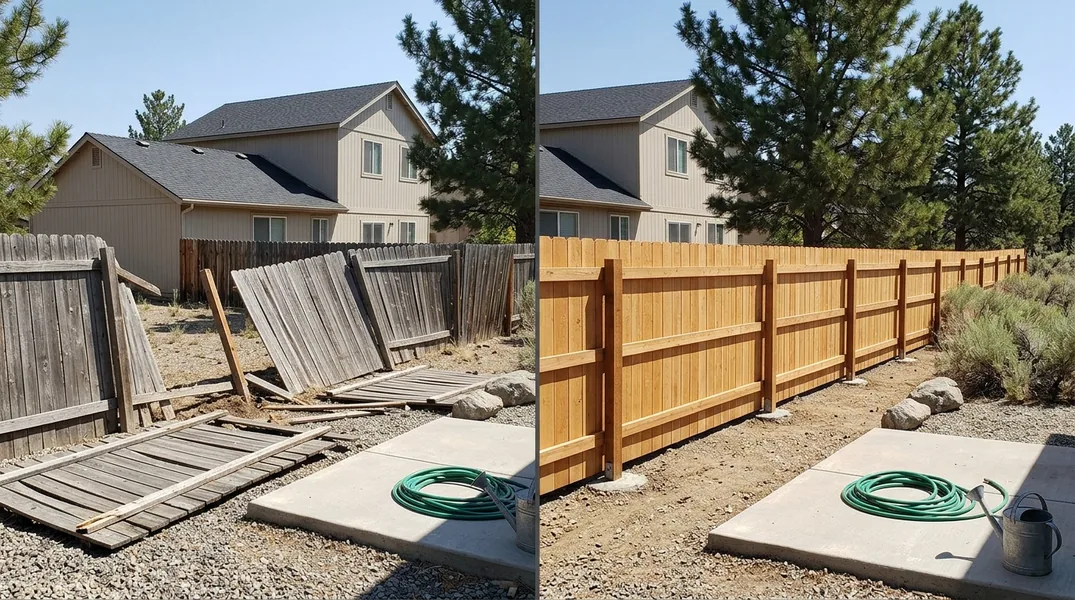
Understanding Fence on Property Line Laws in Master-Planned Communities
Master-planned neighborhoods in Reno, from the newer developments at Sierra Canyon to the established communities like Wingfield Springs, operate under specific governance structures that affect how property line fences are handled. Unlike unincorporated areas, these communities typically have homeowners associations (HOAs) that enforce architectural guidelines and fence regulations that go beyond standard city code. This means that before you install any fence, you need to understand both local ordinances and your HOA's specific requirements.
The question of who pays for a fence between neighbors is more nuanced in these planned communities than in traditional neighborhoods. While Nevada state law generally allows property owners to share the cost of a boundary fence, master-planned communities often have their own rules about fence placement, materials, and cost-sharing arrangements. These rules are documented in your CC&Rs (Covenants, Conditions, and Restrictions) and the HOA architectural guidelines. Before making any assumptions about cost-sharing with your neighbor, you'll want to review these documents carefully or consult with your HOA board.
Who Pays for Fence Between Neighbors: The HOA Factor
In master-planned communities throughout Reno, the answer to who pays for a fence between neighbors depends largely on whether the fence is considered a boundary fence or an amenity fence. A boundary fence that runs along your property line and serves both properties might be subject to shared cost obligations, while a fence that is purely aesthetic or privacy-focused may be your sole responsibility. Many HOAs in neighborhoods like Sierra Canyon require that you obtain written approval before installing any fence, and they may specify whether cost-sharing applies.
Communication with your neighbor is essential, but so is understanding your HOA's position. Some associations have established policies about cost-sharing for necessary boundary fences, while others expect each homeowner to maintain their own side of any fence that benefits their property. The best approach is to contact your HOA before discussing the project with your neighbor. This prevents disagreements later and ensures your fence installation complies with all requirements. If you're unsure about the rules or need guidance on navigating HOA requirements, Reno Fence Company can help clarify what's allowed in your specific community.
Good Neighbor Fence Practices in Wingfield Springs and Similar Communities
A good neighbor fence is one that respects property lines, follows local ordinances, and maintains positive relationships. In established master-planned neighborhoods like Wingfield Springs, many homes were built with minimal or no fencing, so adding a fence later requires extra attention to neighbor relations. Before breaking ground, have a conversation with your neighbors about your plans. Many disputes arise simply because one party didn't know what was coming. A simple conversation can prevent months of conflict and help your neighbor understand why the fence matters to you, whether it's for privacy, pet containment, or security.
When discussing a fence project with neighbors, be prepared to share specifics: the type of fence you're planning, the materials you'll use, and the timeline for installation. If you're considering Wood & Privacy Fence Installation, explain how it will look and how it will affect their view. If your neighbor has concerns, listen carefully. Sometimes a slight adjustment to placement or design can satisfy everyone. In Wingfield Springs and other HOA-governed communities, the HOA may also require that neighbors sign off on certain fence installations, so your proactive communication actually supports the approval process.
Fence on Property Line: Legal and Practical Considerations
Placing a fence exactly on the fence on property line sounds straightforward, but it requires precision and legal clarity. In Nevada, property lines are established by recorded surveys, and before you install any fence, you should have your property surveyed if there's any doubt about where the line actually runs. This is especially important in master-planned communities where lot lines may not be as obvious as they seem. A professional survey costs several hundred dollars but can save you thousands in potential disputes or the cost of removing and relocating a fence that was built in the wrong place.
Once you know exactly where your property line is, understand that Nevada law allows you to build a fence on your property line, but your neighbor has certain rights too. If the fence serves both properties, your neighbor may have a legal claim to cost-sharing. If the fence is purely for your benefit, you typically bear the full cost. Many homeowners in Sierra Canyon and other Reno neighborhoods choose to build their fence slightly inside their property line to avoid any ambiguity or disputes. This small setback also makes maintenance easier since you can access both sides of the fence from your property.
Neighbor Fence Law in Nevada: What You Need to Know
Neighbor fence law in Nevada is shaped by state statutes, county ordinances, and local HOA rules. Nevada Revised Statutes Chapter 207 addresses fences and property rights, establishing that property owners have the right to fence their property but must do so in compliance with local codes. In master-planned communities like Wingfield Springs and Sierra Canyon, the HOA's architectural guidelines often impose stricter standards than state law requires. This means your fence must satisfy both Nevada law and your HOA's specific rules to be legally compliant and avoid fines or removal orders.
One important aspect of neighbor fence law is the concept of boundary fences. If a fence sits on or near the property line and benefits both properties, Nevada law may impose a shared maintenance obligation on both neighbors. However, this is not automatic, and your CC&Rs may override default state law. Additionally, your HOA may require that any fence be maintained in good condition, with regular repairs and repainting as needed. If you're planning a fence project, understanding these legal layers is critical. Reno Fence Company recommends consulting your HOA rules and, if necessary, a local attorney before moving forward. For a free estimate on your project, call us at (775) 993-4968, and we can discuss compliance with your community's specific requirements.
Wood & Privacy Fence Installation Near Me: Choosing the Right Solution for Master-Planned Communities
If you've decided that a fence is right for your property in a master-planned community, Wood & Privacy Fence Installation is one of the most popular choices in neighborhoods like Wingfield Springs. Wood fences offer warmth, aesthetic appeal, and excellent privacy, making them ideal for creating a retreat in your backyard. However, wood requires regular maintenance, including staining or sealing every few years to protect against the harsh Reno climate. Before choosing wood, confirm that your HOA approves it. Some communities restrict fence materials or require specific styles, heights, or colors.
When selecting a fence contractor, experience with master-planned community requirements is invaluable. Reno Fence Company has extensive experience installing fences in HOA-governed neighborhoods throughout Reno and understands the approval process, design restrictions, and quality standards these communities demand. We can guide you through the HOA approval process, help you select materials that comply with community guidelines, and ensure your fence is built to last. Whether you're looking for privacy, pet containment, or enhanced curb appeal, we'll work with you to find a solution that satisfies both your needs and your community's requirements. Contact Reno Fence Company at (775) 993-4968 to discuss your project and learn more about your options.
Looking for a professional fence contractor in Reno? Reno Fence Company responds fast for all your fence needs.
Get a Free Quote